 Automated verification · synthetic test data
Letter World
Overview
A focused vocabulary-practice platform. An owner-reported 45-day snapshot records 308 students and 310,692 practice responses.
Selected projects
These projects differ in scale, but share a method: define the real question, build something testable, and keep the limits of the evidence visible.
Featured work
Automated verification · synthetic test dataA focused vocabulary-practice platform. An owner-reported 45-day snapshot records 308 students and 310,692 practice responses.
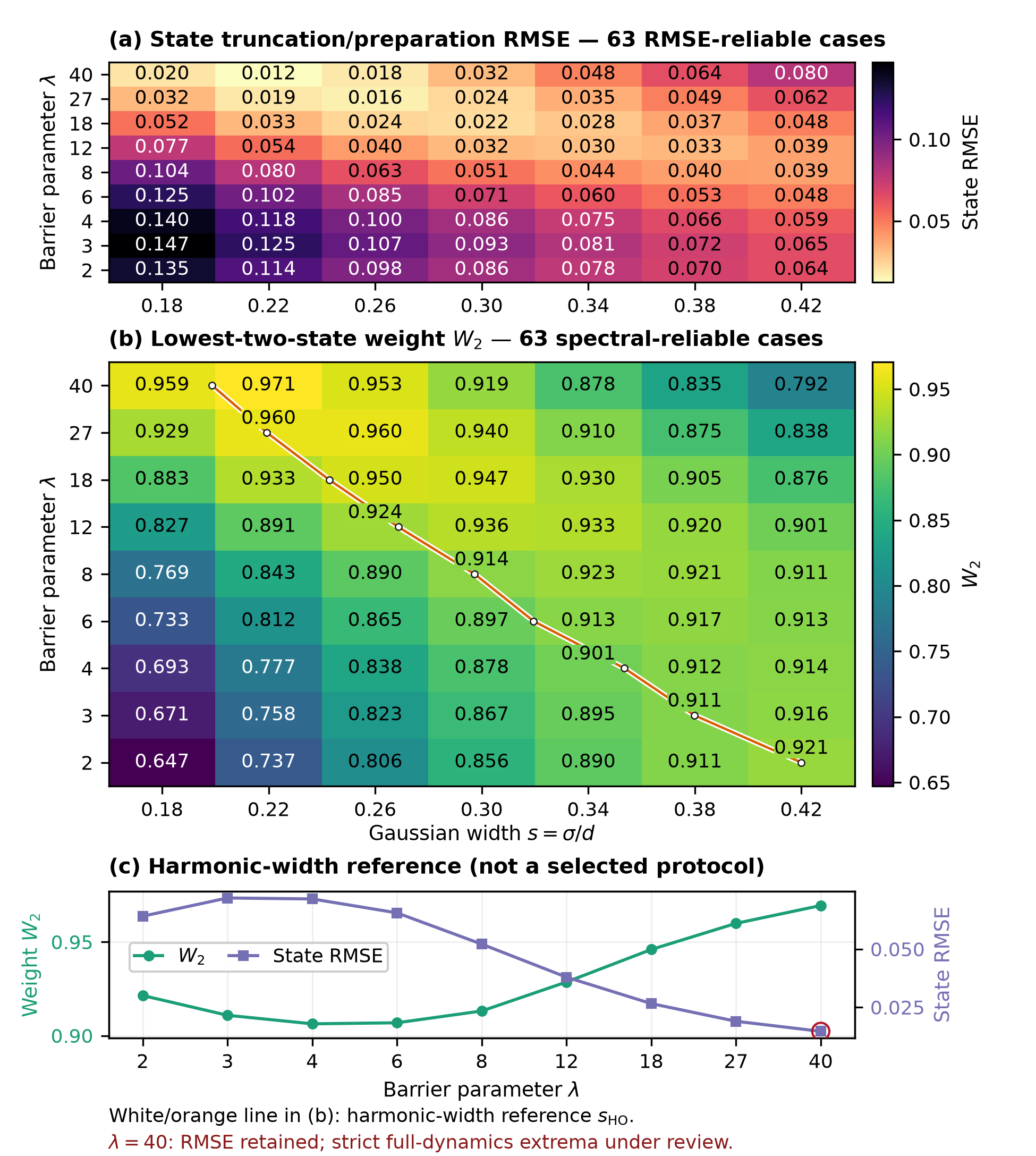
An independent computational study of how numerical reliability and approximation error change across a controlled parameter grid.
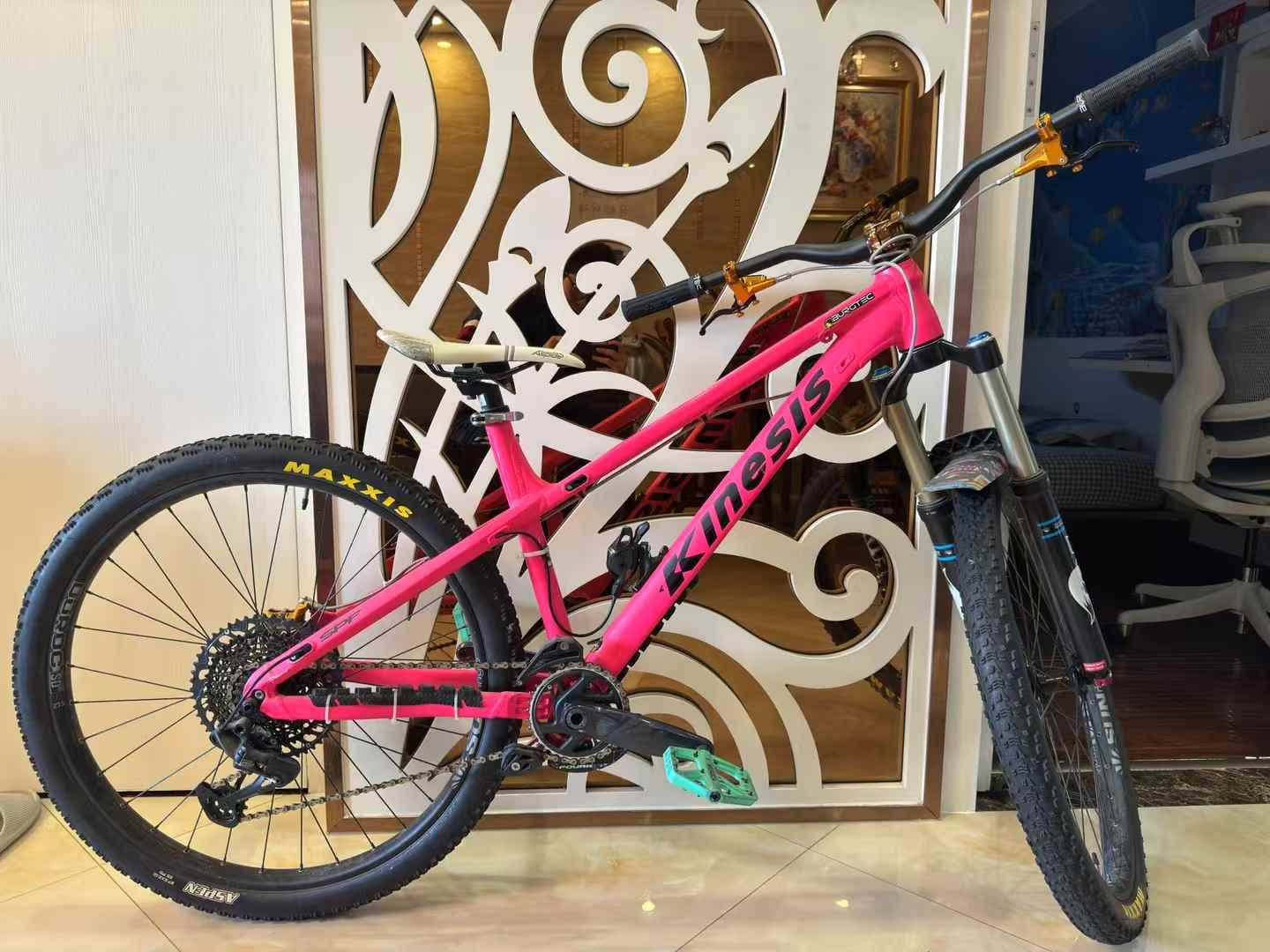
A frame-mounted shifter I designed and tested, now installed on my bike using the bottle-cage mounting points to move the control off the handlebar.
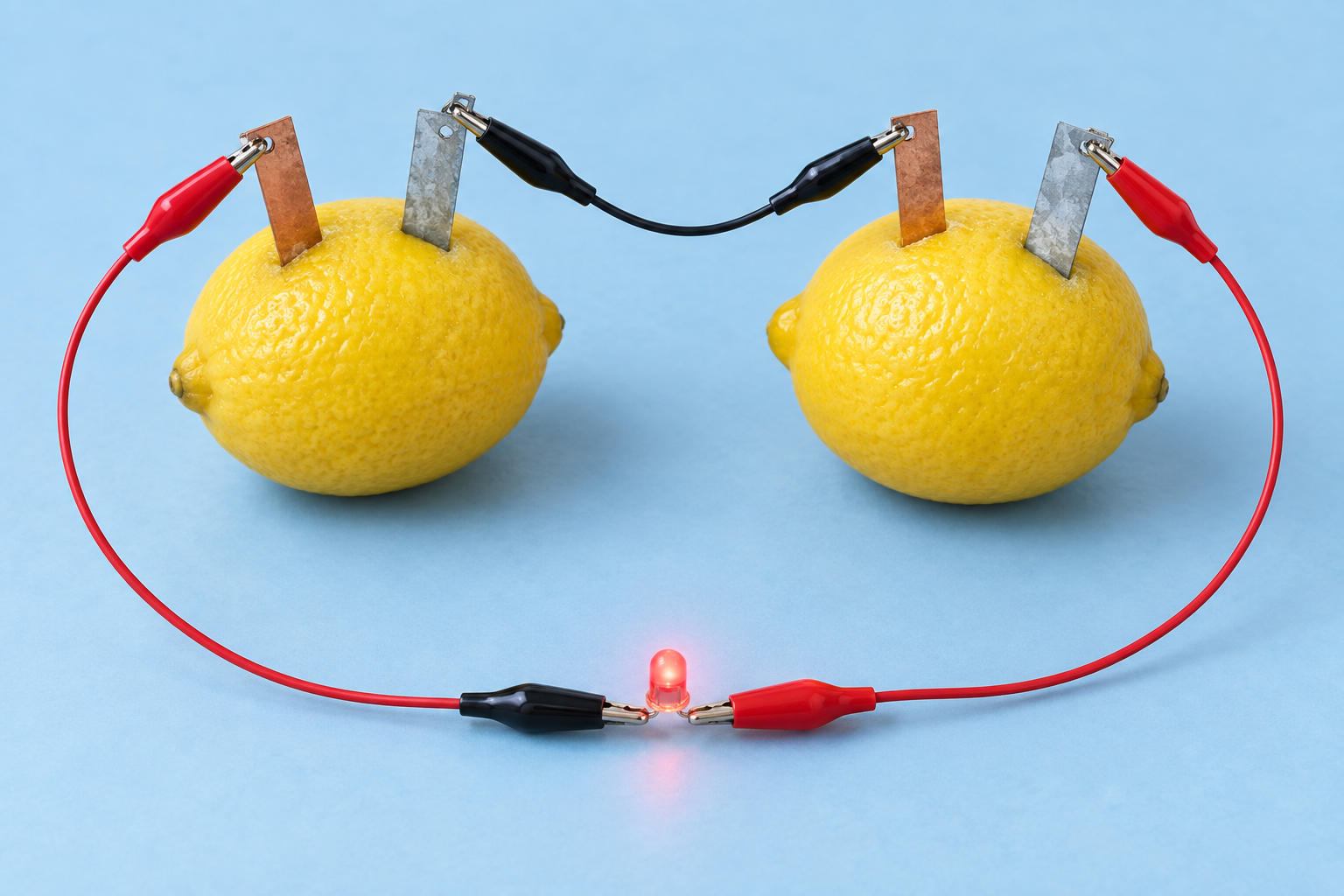 Lemon battery · AI-generated illustration
An in-progress effort to design low-cost, engaging physics experiments for schools with limited laboratory access.
Additional work
Built and revised a competition robot for ball collection based on task requirements and driver feedback. Team 1019B received First Prize and a Design Award in VEX AI at the 2025 Asia-Pacific event.
Trotterization, an exact two-state evolution benchmark, RMSE, and circuit-depth tradeoffs. This course project concerns digital-simulation error inside an effective model; it is separate from the independent double-well study.